Fast delivery
.png)
 Fair prices


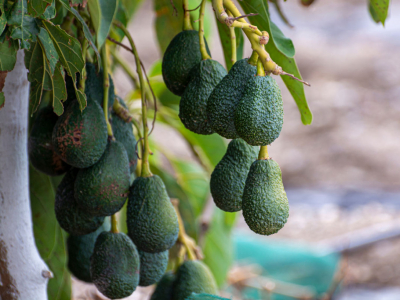

Avocados picked at maturity are more nutritious.
The lawyers are delicious creamy fruits that are not only tasty but also good for your health, scientific studies confirm it. Harvested at maturity in Spain, compared to avocados imported from South America, these avocados have a high nutritional value and offer a multitude of benefits as we will see. Rich in unsaturated fatty acids, in vitamins and in Antioxidants, They contribute to the proper functioning of the body and integrate perfectly into a balanced diet. Whether in a salad, on toast, or in a smoothie, their creaminess and delicate taste make them an essential ally in cooking.

Why choose organic avocados ?
By opting for lawyers harvested at maturity and certified organic quality, you consume fruits grown without pesticides, fungicides, or herbicides, and without undesirable substances in your food.
Biological avocados also offer a denser nutritional content because they are grown without the use of synthetic fertilizers. They are often richer in vitamins such as: vitamin B5 (pantothenic acid), vitamin B6 (pyridoxine), and vitamin B9 (folates), in essential minerals, as well as in fatty acids such as oleic acid.
In addition to their beneficial health effects, organic avocados also contribute to environmental preservation by avoiding the use of chemicals that permanently pollute the soil and waterways. Organic farming also promotes biodiversity by preserving natural ecosystems.
Finally, organic avocados often taste better than their non-organic counterparts. This superior quality is due to farming practices that are more respectful of the environment, allowing avocados to grow at a natural pace.
Choosing organic avocados is beneficial for both your health and the environment. You can enjoy all the nutritional benefits of avocados while contributing to environmental preservation, it's a double benefit! So, the next time you buy avocados, opt for organic avocados like our avocados from Malaga !
Avocados produced in Spain have better nutritional content.
Avocados produced in Spain offer superior nutritional content for two reasons:
- First of all, the very short time between harvest and consumption plays a key role in preserving the nutritional values of these fruits. Indeed, the harvests are carried out at the beginning of the week, sent on Tuesday, and received between Wednesday and Friday. The avocados only spend 48h or 72h in refrigerated transport.
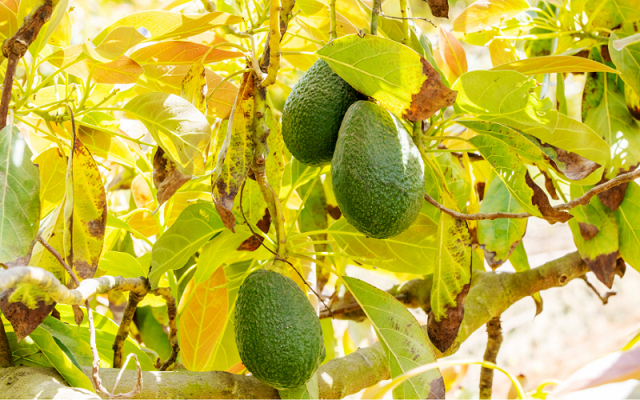
- The favorable climatic conditions in the south of Spain, in the area between Malaga and Almeria, allow avocados to fully develop and ripen optimally, similar to tropical climates, without the need to pick them before maturity unlike their South American counterparts. This means they stay on the tree longer and reach their maximum content in nutrients essentials such as vitamins, fatty acids, minerals, antioxidants, while providing a natural energy supply beneficial for the body.
Unlike avocados that need to be harvested prematurely to be shipped over long distances, those produced in Spain can be consumed very quickly after harvest. Less than a week from picking to plate.
Heart health benefits
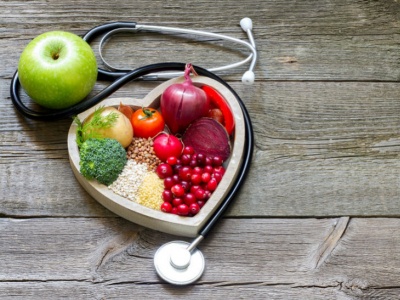
One of the main health benefits of avocado is its positive impact on the cardiovascular system, thanks to its fats, 60% of which are monounsaturated fatty acids, known for promoting good cholesterol and protecting the heart.
- Thanks to its high content of oleic acid, a monounsaturated fatty acid, avocado helps regulate the level of cholesterol in the blood. Studies have shown that regular consumption of avocado can help to reduce LDL levels, commonly called "bad cholesterol", all while increasing the HDL level, known as "good cholesterol". This balance of blood lipids helps prevent cardiovascular diseases and heart conditions.
- Moreover, avocados are a good source of Potassium, an essential mineral that helps maintain healthy blood pressure. An adequate intake of potassium, such as that provided by avocados, is crucial for balancing sodium levels in the body, thereby helping to reduce blood pressure and promote better cardiovascular health.
- Moreover, the soluble fibers present in avocados promote satiety, which can help control weight and to maintain good heart health.
1. The benefits of oleic acid
Avocado is an excellent source of oleic acid, an unsaturated fatty acid beneficial for health. Oleic acid is known for its effects on reducing cholesterol levels, which contributes to cardiovascular health. Studies have shown that regular consumption of oleic acid can reduce the risk of heart disease.
In addition to its effects on cholesterol, oleic acid also has Anti-inflammatory properties and and of the antioxidant properties, which can help prevent premature aging and oxidative stress.
The richness of avocado in soluble fibers can help reduce the level of LDL (bad cholesterol) in the blood.
2. Cholesterol levels and cardiovascular diseases
Cholesterol levels play a crucial role in the development of cardiovascular diseases. High levels of LDL cholesterol (the "bad" cholesterol) can contribute to the buildup of Atheromatous plaques in the arteries, thereby increasing the risk of heart attacks and strokes.
Studies have shown that regular consumption of avocado can help increase HDL cholesterol (the good cholesterol) and reduce triglycerides, which helps maintain a healthy lipid profile.
Sources:
1. López Ledesma R, et al. Monounsaturated fatty acid (avocado) rich diet for mild hypercholesterolemia. Arch Med Res. 1996 Winter;27(4):519-23.
2. H. K. Abel, et al. Effects of avocado as a source of monounsaturated fatty acids on plasma lipid levels. Arch Med Res. 1992 Winter;23(4):163-7.
3. Excellent source of unsaturated fats
The avocado, with its high content of unsaturated fats, is recognized as an excellent source of nutrients beneficial to health. These fats (oleic acid, linoleic acid) improve cardiovascular health, generally reduce inflammation, and promote a healthy skin.
Indeed, the unsaturated fats in avocado help reduce inflammation in the body, which can aid in preventing certain chronic diseases. Oleic acid, in particular, has been associated with anti-inflammatory properties.
Regarding the health of the skin, the unsaturated fats in avocado help maintain a skin healthy and elastic. Oleic acid, in particular, is known for its moisturizing and soothing properties that can help prevent dryness and skin issues.
1. Oregon State University. (2019). Essential Fatty Acids and Skin Health. Linus Pauling Institute.
4. Avocado aids in weight management
The avocado is also a food that contributes to the management of weight effectively. Firstly, its high content of soluble fibers helps to prolong the feeling of fullness, which can help you feel satiated for longer and avoid cravings between meals.
Moreover, the healthy fats present in avocado, such as oleic acid and polyunsaturated fatty acids, fit perfectly into a dietary regimen, contributing to metabolism regulation and more efficient fat burning. A study published in the Journal of Nutrition showed that participants who consumed half an avocado during a meal experienced an increased feeling of satiety and a reduced desire to eat after the meal.
5. Feeling of satiety and balanced diet
The soluble fibers in avocado can play a crucial role in the feeling of satiety. According to another study published in the same journal, soluble fibers can help slow down the digestion and to reduce the sensation of hunger.
In addition to avocado, there are other foods rich in soluble fiber and healthy fats that can be incorporated into a balanced diet. Some examples include chia seeds, chickpeas, lentils, nuts, and seeds of Line, all these seeds that will be beneficial to consume preferably soaked and sprouted.

Avocados are also an excellent source of soluble fibers, such as pectin, mucilages and hemicelluloses, which dissolve to form a gel in the digestive system. This property helps to slow down the digestion of food and stabilize blood sugar levels. Furthermore, their richness in Insoluble fibers contributes to increasing stool volume, thereby promoting regular bowel movements and better waste elimination.
A study published in the Journal of Nutrition demonstrated that the soluble fibers in avocado help regulate blood sugar, which is particularly important for people with diabetes.
Sources:
1. Journal of Nutrition, DOI: 10.1093/jn/146.8.1471
2. Journal of Nutrition, DOI: 10.1093/jn/133.2.411
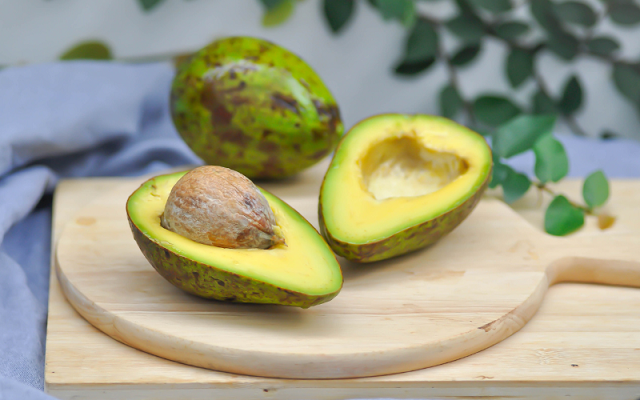
6. Calories and fats in avocado
Contrary to popular belief, half an avocado offers a relatively low fat and calorie content, making it a healthy choice for those who wish to maintain a nutritional balance. Additionally, the calorie content of half an avocado varies depending on its ripeness.
An unripe avocado imported by boat can contain approximately 120 calories, while an avocado picked at maturity in Spain can reach about 160 calories. Moreover, half a ripe avocado contains approximately 9 to 15 grams of fats, the majority of which are unsaturated fats beneficial for health as previously mentioned.
In addition to calories and fats, half an avocado is also rich in essential macronutrients. It contains approximately 2 to 3 grams of protein, , 6 to 7 grams of carbohydrates and 4 to 6 grams of dietary fiber.
Half an avocado is an excellent source of essential nutrients, with relatively low calories and fat content. By adding it to a rich and balanced diet, one can benefit from its numerous health benefits. The popular saying could thus become an avocado half a day keeps the doctor away !
7. Consume your avocados with the skin !
Avocado is not only delicious and beneficial for our health when we eat it, but it can also be used to nourish and hydrate our skin directly, especially for dry skin. We often forget that what we put on our skin is absorbed by the body, and we should be able to eat everything we apply to our epidermis. Thanks to its richness in vitamins C and E, avocado provides deep hydration and helps maintain youthful and radiant skin.
The vitamin C found in avocados is known for its antioxidant properties, which help protect our skin from damage caused by free radicals. A study published in the Journal of Nutrition revealed that vitamin C contributes to the synthesis of collagen, an essential protein that maintains the firmness and elasticity of the skin.
Moreover, avocado is an excellent source of vitamin E, known for its moisturizing and regenerating properties. Studies have shown that vitamin E helps reduce skin dryness by improving its ability to retain moisture. It can also reduce signs of premature skin aging, such as fine lines and wrinkles.
To benefit from the avocado's effects on the skin, you can prepare a homemade mask by mashing a ripe avocado with a buttery texture and applying it to your face. Leave it on for about 15 to 20 minutes, then rinse with warm water. You can also add a few drops of pure avocado oil to your daily moisturizer for extra hydration.
Avocado is a naturally hydrating and nourishing ingredient for the skin. Thanks to its richness in vitamins C and E, it helps maintain youthful, radiant, and hydrated skin. Don't forget to try a homemade avocado mask to fully enjoy its benefits for your skin.
Absorption of Other Nutrients
We will conclude this article with an aspect rarely considered in the context of a healthy diet: food synergy and maximizing the absorption of nutrients through beneficial combinations. Indeed, eating avocados in a salad or during a meal can significantly increase the absorption of nutrients from other foods. Avocados are particularly rich in unsaturated fats, as we have seen. It is important to know that fat-soluble vitamins and carotenoids present in other foods are better absorbed in the presence of these unsaturated fats. A New Zealand study showed that adding an avocado to a salad could increase the absorption of antioxidants, such as beta-carotene and lycopene, up to 15 times compared to a salad without avocado. This synergy can maximize the benefits of fresh fruits and vegetables consumed simultaneously.
I'm sorry, but it seems like the text is incomplete. Could you please provide more context or complete the sentence?, N.Z., et al., "Carotenoid Absorption from Salad and Salsa by Humans is Enhanced by the Addition of Avocado or Avocado Oil," The Journal of Nutrition, 2005
FAQ on the Benefits of Avocado
Q: What are the main nutritional benefits of avocado ?
A: The avocado is rich in healthy fats, primarily monounsaturated fatty acids that are beneficial for heart health. It also contains essential vitamins and minerals, such as vitamins E, C, K, as well as folates and potassium. Due to its nutritional composition, it can contribute to a balanced diet.
Q: Does avocado make you gain weight ?
A: Contrary to what one might think due to its high fat content, avocado does not cause weight gain. Epidemiological studies even show that people who regularly consume avocado tend to have a lower weight than those who do not. It can even promote weight loss, particularly in the abdominal area.
Q: What effects does avocado have on heart health ?
A: Avocado is beneficial for heart health due to its richness in monounsaturated fats, which can help reduce LDL cholesterol (the "bad" cholesterol) while increasing HDL cholesterol (the "good" cholesterol). Additionally, its potassium content helps regulate blood pressure.
Q: Can avocado help with digestion ?
A: Yes, avocado contains dietary fibers that promote good digestion. An adequate intake of fibers can help prevent constipation and maintain a healthy digestive system.
Q: What are the antioxidant effects of avocado ?
A: Avocado is rich in antioxidants such as vitamin E and other phytochemical compounds that help combat oxidative stress. This can contribute to reducing the risk of chronic diseases and protecting cells from premature aging.
Q: How can avocado be incorporated into my daily diet ?
A: Avocado can be easily incorporated into various dishes. It can be consumed as guacamole, added to salads, sandwiches, or even used as a spread on bread. Its creamy texture also makes it an excellent ingredient in smoothies.