Fast delivery
.png)
 Fair prices


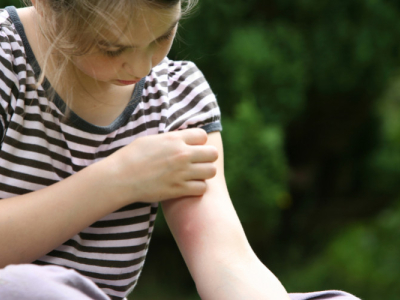

Mosquito bites are a well-known nuisance, especially during the warm days. Redness, itching, and irritation can quickly ruin your moments of relaxation. Fortunately, there are natural and effective solutions to soothe these discomforts.
In this article, we share essential tips to calm mosquito bites and take care of your skin with ease.
Understanding the risks associated with mosquito bites
Understanding the risks associated with mosquito bites is essential for effective protection. Mosquitoes, particularly tiger mosquitoes, can be carriers of serious diseases such as dengue, chikungunya, or Zika. Their bite can also cause allergic reactions, including irritating mosquito bumps.
Main risks
1. Risk of disease transmission
Some species of mosquitoes are more than just a nuisance: they can transmit serious diseases. The female mosquito, in particular, is responsible for this transmission, as she feeds on blood to develop her eggs. During the bite, she can inject pathogens into the host's body.
- How does this happen?
When a mosquito bites an infected person or animal, it can take in viruses or parasites present in the blood. When it bites another person, these pathogens can be transmitted.
2. Allergic reactions
For some people, mosquito bites can cause allergic reactions due to the substances in their saliva. This reaction varies from one individual to another and can manifest in more or less severe ways.
Possible symptoms:
- Joint pain: Sometimes, a significant inflammatory response can spread to other areas of the body.
- Abdominal pain: Although rare, a bite can lead to systemic symptoms, especially in allergic individuals.
- Severe itching: Prolonged and intense itching can lead to sleep and stress disorders, further aggravating the discomfort.
3. At-risk populations
Certain categories of people, such as pregnant women, young children, and the elderly, are more vulnerable to the effects of mosquito bites, whether due to their more fragile immune systems or the aggravated consequences of transmitted diseases.

Identifying Dangerous Mosquitoes, Including the Tiger Mosquito
Not all mosquitoes pose the same risk to human health. Some species are particularly dangerous because they can transmit serious diseases. Knowing how to identify them is a crucial step in better protecting yourself.
1. Tiger Mosquito (Aedes albopictus)
Characteristics:
- Small black mosquito with white stripes on the body and legs.
- Originally from Asia, but now established in many countries, including Europe (notably in mainland France).
- Primarily active during the day.
Associated Risks:
- Vector of dengue, chikungunya, and Zika virus.
- Proliferates in urban and peri-urban areas, often in stagnant water (flower pot saucers, gutters, etc.).
2. Mosquito Aedes aegypti
Characteristics:
- Similar to the tiger mosquito, with a black body and white patterns, but often slightly larger.
- Prefers tropical and subtropical climates.
- Active during the day, especially at dawn and dusk.
Associated Risks:
- Main vector of dengue, chikungunya, yellow fever, and Zika virus.
- Responsible for many outbreaks in tropical areas.
3. Mosquito Anopheles
Characteristics:
- Brownish body with spotted wings.
- Prefers humid and wooded areas, but also urban environments near marshes.
- Primarily active at night.
- Associated Risks:
- Main vector of malaria.
- Capable of transmitting lymphatic filariasis and other parasites in certain regions.
4. Mosquito Culex
Characteristics:
- Light brown color, often less striking than Aedes.
- Prefers temperate and tropical climates.
- Active at night and often attracted to artificial lights.
Associated Risks:
- Potential vector of the West Nile Virus.
- Can also transmit lymphatic filariasis in certain regions.
This information will help you recognize potentially dangerous mosquitoes and take measures to protect yourself from them.
Prevent Bites by Wearing Appropriate Clothing
To prevent mosquito bites, choosing the right clothing is crucial. Opt for light-colored clothing, as tiger mosquitoes, in particular, are less attracted to these shades than to dark colors. Lightweight and loose-fitting materials are ideal as they cover the skin well without causing suffocation, thus reducing the risk of infection.
Here are some tips for choosing appropriate clothing:
- Long Sleeves: Long-sleeved shirts minimize skin exposure.
- Long Pants: Opt for pants instead of shorts for better protection.
- Thick Fabrics: Choose thicker fabrics to prevent mosquitoes from piercing the clothing.
- Closed Shoes: Prefer closed shoes over sandals.
Finally, it is advised to avoid overly tight clothing that may leave openings where female mosquitoes could bite. By adopting these measures, you ensure an effective first line of defense against mosquito bites, while protecting your skin and reducing the risk of serious diseases.
Use Effective Skin Repellents
Using effective skin repellents is crucial to combat mosquitoes, protect against their bites, and the risk of transmission of serious diseases. Repellents based on essential oils, such as lavender oil or Lavender aspic, are increasingly popular for their effectiveness and natural composition.
Here are some tips for using these repellents effectively:
- Choose the Right Repellent: Opt for products containing essential oils known to repel mosquitoes, such as citronella oil, geranium, or lavender.
- Regular Application: Apply the repellent every few hours, especially during extended outdoor stays in risk areas, such as near breeding sites of tiger mosquitoes.
- Protective Clothing: Wear light-colored clothing to reduce attractiveness to female mosquitoes.
- Special Attention to Pregnant Women and Young Children: Use suitable products to reduce the risk of infection while preserving healthy skin.
By integrating these practices, you effectively reduce the risk of bites and protect your health naturally.

Apply Natural Remedies to Relieve Itching
Mosquito bites can cause unpleasant itching, especially on sensitive skin, which often reacts more intensely. These reactions can disrupt our daily comfort, but fortunately, several natural remedies can help soothe these annoying sensations, protect delicate skin, and promote healing.
Apple Cider Vinegar: An Effective Remedy
Apple cider vinegar is popular for its antiseptic and anti-inflammatory properties. Apply a small amount of apple cider vinegar on a cotton pad and dab directly on the mosquito bite. This helps reduce inflammation and soothe itching.

Benefits of Apple Cider Vinegar
- Reduces itching
- Antiseptic properties
- Promotes healing

Honey: Natural Antiseptic
Honey is a well-known remedy for its antibacterial and soothing properties. A thin layer of honey can be applied directly to the mosquito bite. It acts as a protective barrier while soothing irritation.

Why Use Honey?
- Natural antiseptic
- Moisturizes the skin
- Reduces pain and inflammation

Essential Oils like Lavender: How to Use Them
Essential oils, particularly lavender oil, are known for their calming and anti-inflammatory properties. Mix a few drops of lavender essential oil with a carrier oil, such as coconut oil, and apply to the skin. This effectively relieves itching while nourishing the skin.
Use of essential oilss
- Mix with a carrier oil
- Apply directly to the affected area
- Reapply if necessary
Green clay: a natural anti-inflammatory
Green clay is an excellent natural way to relieve inflammation and extract toxins from the skin. Mix the clay with a little water to form a paste, then apply it to the spot. Leave it on until the clay becomes dry before gently rinsing off.

Benefits of green clay
- Absorbs toxins
- Reduces inflammation
- Speeds up healing

Aloe vera: soothing properties
Aloe vera is widely used for its soothing and moisturizing properties. Extract the gel from an aloe vera leaf and apply it directly to the bite. It provides quick relief from itching and helps regenerate the skin.
Beneficial effects of aloe vera
- Instant itch relief
- Intense skin hydration
- Speeds up the healing process
By using these natural remedies, you can effectively soothe the itching caused by mosquito bites, ensuring optimal comfort and healing.
The importance of disinfecting bites
When bitten by a mosquito, it is crucial to properly disinfect the affected area. Indeed, mosquito bites can introduce bacteria or viruses into the skin, increasing the risk of infection. This is particularly important in regions where tiger mosquitoes are present, as they can transmit serious diseases.
To disinfect a bite, use an antiseptic solution or wash the area with water and soap. The use of essential oils like lavender oil can also help soothe the skin while offering antibacterial properties.
Here are some simple methods to disinfect a bite:
- Washing with water and soap: Gently clean the area.
- Antiseptic solution: Apply to kill present germs.
- Lavender oil: Relieves irritation and prevents infections.
Disinfecting bites is very important, and good skin hygiene after a mosquito bite is essential to prevent any possible complications.
Avoid Scratching Bites to Prevent Infection
Scratching a mosquito bite may seem to temporarily relieve the itch, but this action poses significant risks to the skin. By rubbing or scratching, you further irritate the affected area, which intensifies the inflammation and worsens the itching. This vicious cycle can quickly turn a simple bite into a source of prolonged discomfort.
Moreover, repeated scratching can damage the skin and create small open wounds. These injuries become an entry point for bacteria, increasing the risk of skin infection. A secondary infection can lead to redness, swelling, and sometimes even the formation of abscesses requiring medical intervention. These complications, although avoidable, can make a mosquito bite much more problematic than it should be.
To prevent these inconveniences, it is essential to resist the temptation to scratch. Applying soothing products, such as aloe vera gel or an antihistamine cream, can quickly calm the itching. An ice cube or a cold compress placed on the affected area also helps reduce irritation. If you find it hard to refrain, covering the bite with a bandage or wearing light clothing that conceals the area can be helpful, especially at night.
If the bite becomes red, warm, or painful, or if pus appears, it is recommended to consult a healthcare professional. Keeping your skin intact and promoting quick natural healing will prevent unnecessary complications.

What to Do in Case of a Severe Reaction to Mosquito Bites?
If a mosquito bite causes a severe reaction, it is important to act quickly to avoid complications. Here are the steps to follow.
1. Identify the Signs of a Severe Reaction
A severe reaction may manifest as:
- Significant swelling extending beyond the bite area (for example, an entire leg or arm swollen).
- Redness that spreads quickly.
- A feeling of warmth or intense pain around the bite.
- General symptoms such as fever, nausea, dizziness, or joint pain.
- Breathing difficulties, generalized itching, or anaphylactic shock (very rare case).
2. Clean and Disinfect the Area
In case of significant localized reaction:
- Gently clean the bite with warm water and mild soap to reduce the risk of infection.
- Apply an antiseptic to the affected area.
3. Apply a Soothing Treatment
There are several solutions to calm inflammation and reduce swelling:
- Apply a cold compress or an ice cube wrapped in a clean cloth for 10 to 15 minutes. This reduces swelling and soothes pain.
- Mix a tablespoon of baking soda with a little water to form a paste. Apply this paste to the bite, leave it on for 10 minutes, then rinse with warm water.
- Crush a few basil leaves to release their juice, then apply it directly to the bite.
Severe reactions to mosquito bites are rare but require immediate attention. By following these steps, you can limit complications and act appropriately to protect your health.
Conclusion
Mosquito bites can turn a pleasant moment into a source of discomfort, but with the right tips, it's easy to calm the itching and protect your skin. Whether you opt for natural remedies, simple actions, or preventive solutions, there are many effective ways to quickly relieve discomfort and avoid complications. By incorporating these tips into your routine, you can fully enjoy your outdoor activities without mosquitoes ruining your peace. Take care of your skin and say goodbye to irritating bites!
FAQ: Essential Tips for Soothing Mosquito Bites
Q: What is the first thing to do in case of a mosquito bite?
A: The first thing to do is not to scratch the bitten area. Although it may seem soothing at the moment, scratching can worsen the itching and make the skin more susceptible to infections.
Q: What natural remedies can I use to relieve itching?
A: Several natural remedies can help soothe itching, such as apple cider vinegar, which can be applied directly to the bite. Aloe vera gel is also effective due to its soothing and moisturizing properties.
Q: Are there any compresses I can use?
A: Yes, compresses soaked in a mixture of baking soda and water can relieve itching. It is advisable to apply them to the bite for a few minutes.
Q: What are the essential oils beneficial against mosquito bites?
A: Lavender essential oil is known for its soothing properties and can be applied locally to calm the itching caused by mosquito bites.
Q: When should I see a doctor about a mosquito bite?
A: If you experience a severe allergic reaction, persistent symptoms, or if the bite seems to be getting infected (redness, warmth, pus), it is advisable to consult a doctor.
Q: How can I differentiate a mosquito bite from another insect bite?
A: Mosquito bites are generally smaller than those of other insects, with a diameter of less than 1 mm. They are often clustered and can cause intense itching for several days.